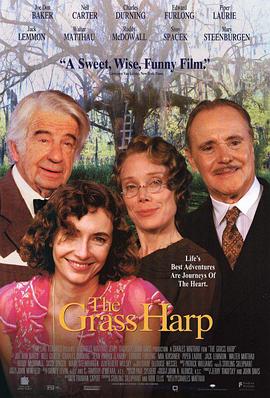
嘿,最近刷到一部老片《草竖琴》,挺有意思的。爱德华·福隆当时还没长成叛逆少年,眼神里全是小心翼翼的观察。树上建起简陋的小屋,每天的阳光、邻居偷偷送来的食物,还有夜里风吹树叶的沙沙声,让三个孤独的人第一次感到自由。影片结尾,沃尔特·马修扮演的父亲一句“每个人心里都该有间树屋”,让我愣了很久。导演查尔斯·马修把卡波特原著那种南方小镇的忧郁和温柔都留在了胶片里——镜头时常停在树叶缝隙漏下的光斑上,叙事像午后打盹的猫,慵懒却处处藏着故事的褶皱。全镇人仰马翻,记者蜂拥而至,而那个只肯待在树上的女人,却用沉默和微笑守住了最后的自由。
After his mother's death, Collin Fenwick goes to live with his father's cousins, the wealthy, avaricious, and controlling Verena Talbo, and her compliant, earthy sister Dolly. When a city slicker comes to town and convinces Verena to market Dolly's locally-famous tonic, Dolly finally gets some backbone, refuses to divulge the formula, and heads for a tree house with Collin and Catherine, the loyal maid. Verena, who has most of the town in her pocket, sics the law on the renegades. Dolly, Catherine, and Collin find a supporter in a retired judge, Charlie Cool, who's attracted to Dolly. Will Verena's venom win out And what about that city slicker相关搜索:
草竖琴电影简介草竖琴百度百科大黑摩季年轻时有多漂亮n-buna百科杜鲁门卡伯特