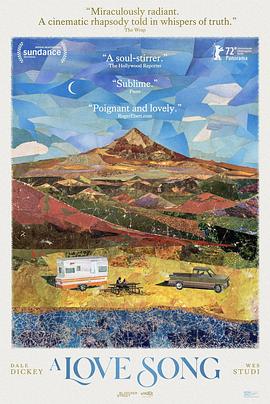
故事是这样的:在美国西部一座灰扑扑的汽车旅馆里,戴尔·迪奇饰演的老年洗衣工每天重复着收床单、数硬币的日子。戴尔·迪奇和韦斯·斯塔迪的表演尤其值得细看——他们用驼背的姿势、拿水杯时颤抖的手指、沉默对视时眼角的皱纹,把“老去”和“重新心动”这两个矛盾的东西揉在了一起。如果你能接受一部几乎没有配乐、全靠风声和篝火声推进的爱情片,或者你正在寻找一部关于暮年孤独与温柔重建的故事,那么它很适合你。导演把镜头对准了指尖的颤抖、沉默的间隙,还有戴尔·迪奇和韦斯·斯塔迪脸上那些被岁月刻下的细纹——当他们在厨房里各做各的事,偶尔碰一下肩膀,那种小心翼翼又渴望靠近的劲儿,让我想起自己长辈年轻时没说完的故事。如果你看腻了年轻人轰轰烈烈的恋爱,想找一个安静的下午,感受一段被时间打磨过的温柔,这部片子会很对味。帐篷、篝火、钓鱼、唱一首老歌,重复的日常里全是没说出口的隐秘。
After unhitching her camper at a lakeside in the mountains, Faye finds her rhythm cooking meals, retrieving crawfish from a trap, and scanning her old box radio for a station. She looks expectantly at the approach of a car or the mailman, explaining to neighboring campers that she’s waiting for a childhood sweetheart she hasn’t seen in decades. When he does arrive, Lito and Faye, both widowed, spend an evening reminiscing about their lives, losses, and loneliness. A whimsical romance, Max Walker-Silverman’s captivating debut feature shows an American West full of quietude, compassion, and introspection. It’s both naturalistic and vaguely surreal, blurring our sense of time and beauty, loss and vivacity, the grandiose natural world and intimate humanism. Career performances from Dale Dickey and Wes Studi bring an inescapable presence to people we don’t often see portrayed on film. They are gentle outliers possessed of resilience and existential spirit, seeking to process something elusive a feeling of love for what’s no longer there. Like Faye turning her radio dial, they listen hopefully for the faint trace of a song.相关搜索:
小情歌表达了什么感情小情歌歌词完整版小情歌表达了什么感情《小情歌》苏打绿《小幸运》歌词